
Gander Mountain Boots and Outdoor Footwear
Gander Mountain Boots and Outdoor Footwear is for shoppers who need practical boots for camping, hiking, fishing trips, wet ground, cold weather, outdoor work, and everyday use outside. A good pair of boots should feel comfortable, give solid grip, protect your feet, and match the kind of weather or trip you are planning.
This page helps you compare waterproof boots, hiking boots, insulated boots, rubber boots, and work style outdoor boots before buying online. The main goal is to help you choose boots that fit well, support your feet, and stay useful in real outdoor conditions without wasting money on unclear listings.
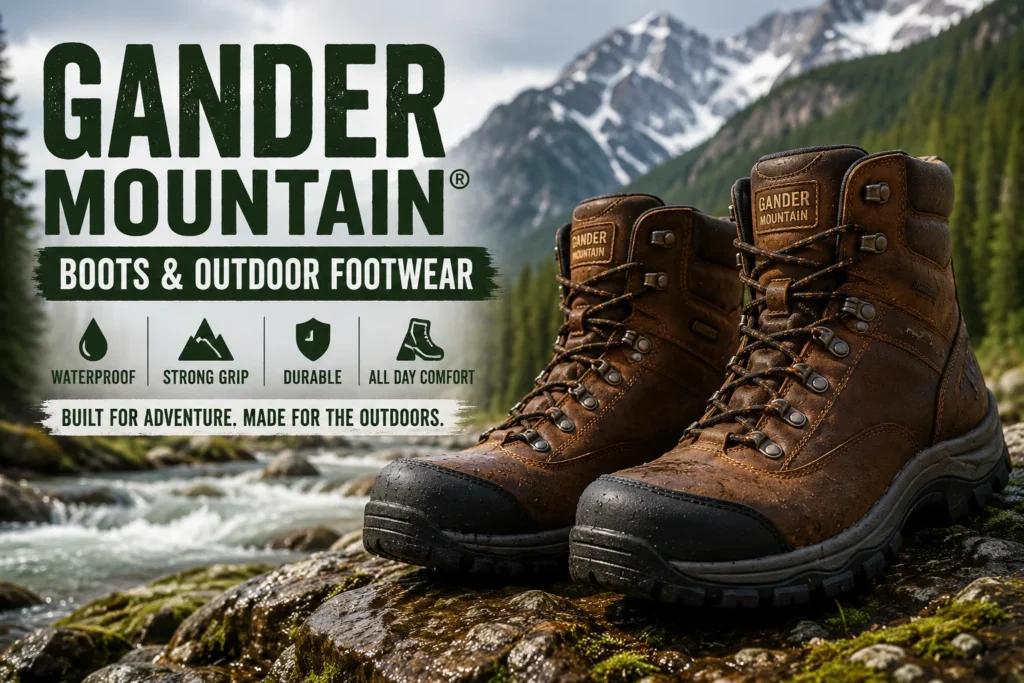
Outdoor Boots for Camping Hiking and Wet Ground
Outdoor boots are useful when normal shoes are not enough for rough paths, wet grass, muddy ground, cold mornings, or long outdoor days. They give better grip, more foot support, and stronger protection when you are camping, hiking, fishing, working outside, or walking on uneven ground.
For camping and wet areas, choose boots that feel stable, comfortable, and easy to clean. A good pair should protect your feet without feeling too heavy. If you plan to wear them for many hours, comfort, fit, sole grip, and ankle support matter more than style.
What Gander Mountain Boots Can Include
Gander Mountain boots can include waterproof boots, hiking boots, insulated boots, rubber boots, work style outdoor boots, and casual outdoor footwear. Some shoppers may also find older or used listings online, so it is important to check the condition, size, photos, and seller details before buying.
These boots are usually searched by people who need footwear for outdoor trips, wet ground, camping setups, fishing days, and general outdoor use. For a complete outdoor setup, our Gander Mountain gear collection also covers camping items, bags, clothing, fishing products, and other essentials.
Choose Boots by Outdoor Activity
The right boots depend on where you plan to wear them. A camping trip may need comfortable boots with good grip, while wet ground or fishing areas may need waterproof or rubber boots. Cold weather needs insulation, and rough paths need stronger ankle support.
Before buying, think about your main use first. If you walk a lot, comfort and weight matter. If you deal with mud or rain, waterproof protection matters more. If you want one pair for mixed outdoor use, choose boots that balance grip, comfort, support, and easy cleaning.
Popular Boot Types to Shop
Different boot types are made for different outdoor conditions. Choosing the right style can help you avoid sore feet, weak grip, wet socks, or boots that feel too heavy for your trip.
Waterproof Boots
Waterproof boots are useful for wet grass, light rain, muddy paths, fishing areas, and camping trips where the ground may stay damp. They help keep your feet dry when regular shoes are not enough.
Before buying, check the material, sole grip, height, inside lining, and seller notes. Waterproof boots should protect your feet without feeling stiff or uncomfortable for long wear.
Hiking Boots
Hiking boots are made for walking on trails, uneven ground, hills, and outdoor paths. They usually offer better ankle support, stronger soles, and more grip than casual shoes.
Look for a pair that fits well, feels stable, and does not feel too heavy. If you are a beginner, choose comfort and support over aggressive styling.
Insulated Boots
Insulated boots are better for cold mornings, winter trips, hunting style outdoor use, and long hours outside in low temperatures. They help keep your feet warmer when regular boots feel too thin.
Check the warmth level, lining condition, boot weight, and breathability. Very warm boots can feel too hot in mild weather, so match them with your actual climate.
Rubber Boots
Rubber boots are useful for mud, wet ground, yard work, fishing spots, and areas where boots may get dirty quickly. They are usually easy to clean and better for water-heavy conditions.
Before buying, check the boot height, sole grip, flexibility, and any cracks in the rubber. A rubber boot should feel protective but not so stiff that walking becomes uncomfortable.
Work Style Outdoor Boots
Work style outdoor boots are made for people who need stronger footwear for outdoor tasks, travel, garage work, yard use, or rough daily wear. They usually focus on durability, grip, and foot protection.
Check the sole thickness, stitching, toe area, ankle support, and comfort padding. These boots can be useful, but they should not feel too hard or heavy for your normal use.
Men’s and Women’s Outdoor Boots
Men’s and women’s outdoor boots can differ in size, width, shape, ankle fit, and overall comfort. A boot should match your foot shape instead of only matching the label.
Always check the size chart, width notes, reviews, and return policy before ordering. If you are buying used boots, clear photos and exact size details are even more important.
Compare Boot Types Before Buying
Use this quick comparison to choose the right boot style for your outdoor activity, weather, and comfort needs.
| Boot Type | Best For | What to Check |
|---|---|---|
| Waterproof Boots | Wet grass, rain, mud, camping, and fishing areas | Waterproof material, sole grip, height, lining, and comfort |
| Hiking Boots | Trails, uneven ground, hills, and long outdoor walks | Ankle support, outsole traction, weight, cushioning, and fit |
| Insulated Boots | Cold mornings, winter trips, and long hours outside | Warm lining, boot weight, breathability, and weather match |
| Rubber Boots | Mud, wet ground, yard work, fishing spots, and easy cleaning | Rubber condition, flexibility, height, cracks, and sole grip |
| Work Style Outdoor Boots | Outdoor tasks, rough daily use, travel, and garage work | Stitching, toe area, sole thickness, padding, and durability |
| Men’s and Women’s Boots | Better size, width, foot shape, and ankle fit | Size chart, width notes, reviews, return policy, and condition |
How to Choose the Right Boot Size and Fit
Boot size matters because outdoor footwear needs more comfort and support than regular shoes. A boot that is too tight can hurt your toes, while a loose boot can rub your heel and make walking harder. Before buying, check the size chart, width, toe room, ankle fit, heel grip, and return policy.
A good fit should feel secure around the heel, comfortable around the toes, and stable while walking. If you plan to wear thick socks, outdoor pants, or rainwear with your boots, our Gander Mountain clothing collection can also help you choose apparel that works better for camping, hiking, and wet weather.
What Makes a Good Outdoor Boot
A good outdoor boot should protect your feet, feel comfortable, and handle the ground you plan to walk on. For outdoor use, the main things to check are sole grip, waterproof protection, ankle support, cushioning, insulation, breathability, and overall fit.
Do not choose boots only because they look strong in photos. A boot can look rugged but still feel heavy, slippery, stiff, or uncomfortable after a short walk. The best pair should match your activity, weather, foot shape, and how long you plan to wear them.
Sole Grip
Sole grip is one of the most important parts of any outdoor boot. Good grip helps you walk more safely on wet grass, dirt paths, muddy ground, gravel, and uneven outdoor areas.
Look for a sole with deep tread, strong traction, and a base that does not look smooth or worn out. If you are buying used boots, check the bottom photos carefully because worn soles can make the boot less useful.
Waterproof Protection
Waterproof protection matters when you walk through wet grass, light rain, mud, fishing areas, or damp campsites. Waterproof boots help keep your feet dry when regular shoes would soak through quickly.
Before buying, check the material, boot height, seams, lining, and seller notes. If the listing does not clearly mention waterproof protection, do not assume the boots can handle wet ground.
Ankle Support
Ankle support helps when you walk on trails, uneven ground, rocks, slopes, or outdoor paths. Boots with better ankle support can feel more stable than low-cut shoes, especially during longer walks.
Choose the support level based on your activity. Light outdoor use may not need a tall boot, but hiking, rough ground, and heavier gear usually need more stability around the ankle.
Cushioning and Comfort
Cushioning and comfort decide how long you can wear the boots without foot pain. A boot should feel supportive under your feet, not hard, flat, or painful after a short time.
Check the insole, midsole, padding, heel area, and customer reviews. If you plan to wear thick socks, make sure the boot has enough room without becoming loose.
Insulation and Breathability
Insulation helps keep your feet warm in cold weather, while breathability helps reduce heat and sweat in mild or warm weather. The right balance depends on where and when you plan to use the boots.
Insulated boots are better for cold mornings, winter trips, and long hours outside. Breathable boots are better for walking, camping, hiking, and outdoor use in warmer conditions.
New vs Used Gander Mountain Boots
New Gander Mountain boots or similar outdoor boots are usually the safer choice when you want clean condition, clear sizing, return support, and longer use. They are better for shoppers who plan to wear boots often or need reliable footwear for camping, hiking, fishing, wet ground, or outdoor work.
Used boots can still be worth buying if the condition is clear and the price is fair. Before buying used, check the outsole wear, rubber condition, stitching, inside lining, odor, laces, hooks, eyelets, size label, and seller photos. If the listing hides the bottom, inside, or close-up areas, choose another option.
What to Inspect on Used Boots
Used boots can save money, but they need a careful check before buying. A pair may look fine from the front photo, yet still have worn soles, cracked material, loose stitching, odor, or damaged lining.
Outsole Wear
The outsole is the bottom part of the boot, and it shows how much the boots have been used. If the tread looks flat, smooth, or uneven, the boots may not give strong grip on wet ground, mud, or trails.
Ask for clear bottom photos before buying used boots. Good outdoor boots should still have visible tread and stable traction.
Cracked Rubber or Leather
Check the boot material for cracked rubber, dry leather, peeling areas, and split sections. Small marks are normal on used boots, but deep cracks can affect comfort, water protection, and long-term use.
Rubber boots especially need a close check because cracks can let water inside. Leather boots should not look too dry, broken, or separated from the sole.
Loose Stitching
Loose stitching can make boots weaker over time. Check the side seams, toe area, heel area, tongue, and where the upper part connects to the sole.
If the stitching looks open or repaired poorly, the boots may not handle outdoor use well. Strong stitching matters more when you plan to use boots for camping, hiking, fishing, or rough ground.
Inside Lining and Odor
The inside of used boots matters as much as the outside. Check the inside lining, insole, heel area, stains, moisture marks, and odor notes before buying.
Avoid boots with heavy odor, mold signs, torn lining, or unclear inside photos. A clean inside is important because boots stay close to your feet for long hours.
Laces Hooks and Eyelets
Check the laces, hooks, eyelets, pull tabs, and tongue area. These small parts help the boot fit securely, and damaged hardware can make the boots annoying to wear.
Missing hooks, broken eyelets, weak laces, or torn pull tabs are warning signs. If the rest of the boot looks good but the hardware is damaged, the price should be low enough to make repairs worth it.
Where to Buy Gander Mountain Boots Online
You can find Gander Mountain boots and similar outdoor footwear through online marketplaces like Amazon, Walmart, eBay, and resale sites. Amazon is useful for comparing current outdoor boots, sizes, reviews, delivery options, and return policies in one place.
For older or used Gander Mountain boots, eBay and resale listings may show more pre-owned options. Before ordering, check the seller rating, product photos, size label, outsole condition, inside lining, return policy, and full description carefully. If you also need a place to carry or store boots with your trip gear, our Gander Mountain bags page covers duffel bags, backpacks, gear bags, and outdoor storage options.
Common Mistakes When Buying Outdoor Boots
Many shoppers choose outdoor boots only by photos, but boots need a closer check than normal shoes. A pair can look strong online and still have poor fit, weak grip, heavy weight, or hidden wear.
Avoid these common mistakes before buying:
- Ignoring boot size and width because outdoor boots need enough toe room and a secure heel fit.
- Buying without checking outsole grip because worn tread can make boots slippery on wet ground or trails.
- Assuming every boot is waterproof when the listing does not clearly mention waterproof protection.
- Choosing insulated boots for warm weather because too much insulation can make your feet hot and uncomfortable.
- Skipping inside photos on used boots because the lining, insole, and heel area can show hidden damage.
- Trusting unclear listings without checking seller rating, return policy, size label, and close-up photos.
Final Verdict
Gander Mountain boots can be worth buying if the size, condition, sole grip, waterproof protection, and comfort match your outdoor needs. They can work well for camping, hiking, fishing trips, wet ground, cold weather, outdoor tasks, and everyday use outside.
The safest choice is a pair that has clear photos, honest condition details, strong tread, clean lining, and a return option when possible. If you are buying used boots, check the outsole, stitching, rubber or leather, inside lining, laces, hooks, eyelets, and seller notes before placing your order.
Frequently Asked Questions
Are Gander Mountain boots good for outdoor use?
Yes, Gander Mountain boots can be good for outdoor use if they fit well and match the activity, weather, and ground conditions.
Are used Gander Mountain boots worth buying?
Used Gander Mountain boots can be worth buying if the soles, lining, stitching, size label, and overall condition are clearly shown.
What should I check before buying waterproof boots online?
Check the waterproof material, boot height, seams, sole grip, inside lining, size chart, photos, reviews, and return policy.
Should I buy hiking boots or rubber boots?
Buy hiking boots for trails and long walks. Buy rubber boots for mud, wet ground, fishing areas, and easy cleaning.