
Best Camping Gear Checklist for Beginners and Weekend Trips
The Best Camping Gear Checklist for Beginners and Weekend Trips is for campers who want to pack smart, avoid missing important items, and buy gear that actually helps outside. A good camping setup is about choosing the right tent, sleeping gear, food storage, lighting, clothing, safety items, and storage for your trip.
This checklist explains what each item is used for, what beginners should buy first, and what can wait. If you want to explore more outdoor products in one place, our Gander Mountain gear collection can help you compare camping items, bags, boots, clothing, coolers, and fishing essentials before your next trip.
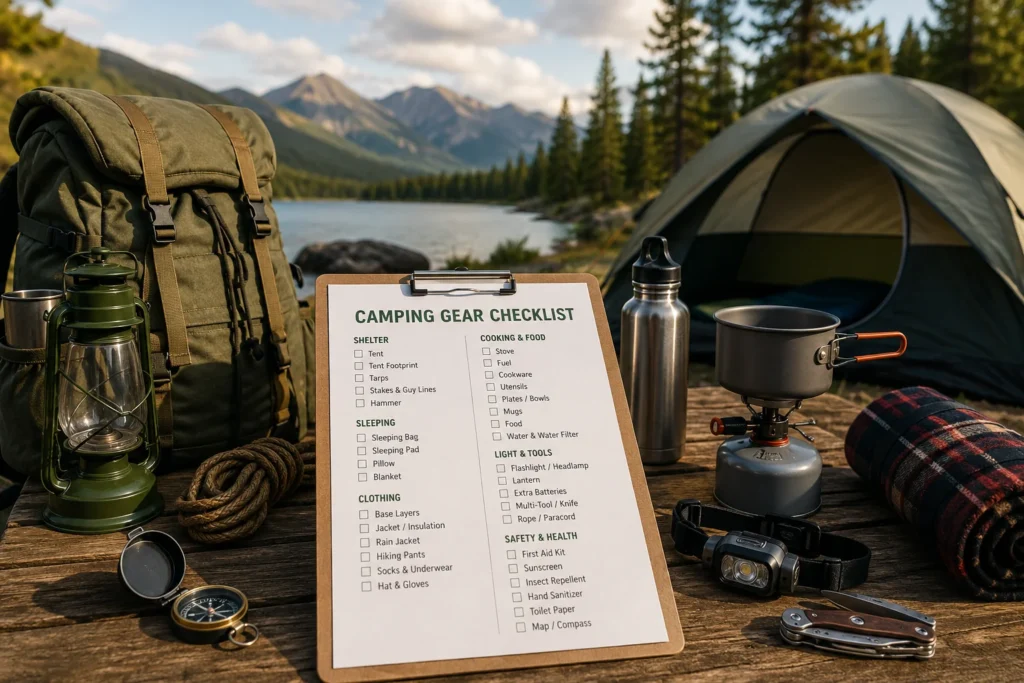
Camping Checklist Printable
A camping checklist printable is useful when you want a simple packing list you can save, print, or check before leaving home. Instead of adding a very long list inside the article, we keep this section clean and give you a printable PDF version for full packing help.
The PDF checklist can include camping gear, sleeping items, food and cooking supplies, clothing, footwear, bags, safety items, personal care, and last-minute checks. This makes it easier to pack for weekend camping, tent camping, family camping, and beginner trips without making the article hard to read.
What Should Be on a Camping Gear Checklist?
A good camping gear checklist should include everything you need to sleep, cook, stay warm, stay safe, and keep your campsite organized. The main items are tent and shelter, sleeping gear, cooking supplies, food storage, lighting, clothing, footwear, bags, water, and first aid.
The best checklist also depends on your trip style. A short weekend trip may only need basic gear, while family camping or rainy weather camping needs extra clothing, comfort items, storage space, and backup supplies. Before packing, think about the weather, campsite type, trip length, group size, and how much space you have in your car.
Essential Camping Gear for Every Trip
Every camping trip needs gear that helps you sleep, cook, stay safe, and keep your campsite comfortable. The most important items are shelter, sleeping gear, food storage, lighting, clothing, footwear, bags, water, and first aid.
You do not need to buy everything at once. Start with the items that protect you from weather, help you rest, and make the trip easier to manage. If you want category-specific help, our Gander Mountain camping gear page covers tents, cots, chairs, coolers, and campsite essentials in more detail.
Tent and Shelter
A tent is one of the first items to add to your camping list because it protects you from wind, light rain, insects, and outdoor conditions. Choose a tent based on group size, weather, setup style, and how much space you need inside.
Also check the rainfly, poles, stakes, groundsheet, zippers, and ventilation. A tent that is too small or hard to set up can make the whole trip uncomfortable.
Sleeping Gear
Good sleeping gear helps you rest after a long outdoor day. Basic items include a sleeping bag, sleeping pad, pillow, blanket, and extra warm layer if the weather gets cold at night.
Choose a sleeping bag based on temperature, size, and comfort. A sleeping pad is also important because it adds cushion and helps separate your body from the cold ground.
Camp Kitchen and Food Storage
A simple camp kitchen can include a stove, fuel, lighter, cookware, plates, cups, utensils, water bottle, trash bags, and cleaning supplies. For short trips, keep cooking items simple so packing and cleanup stay easy.
Food storage also matters. Use a cooler, sealed containers, ice packs, and dry food bags to keep food fresh and organized. A cooler is useful for drinks, snacks, meat, fruit, and other items that need cold storage.
Lighting and Power
Camping areas can get dark quickly, so lighting should always be on your checklist. Bring a flashlight, headlamp, lantern, extra batteries, or a charged power bank.
A headlamp is helpful because it keeps your hands free while cooking, setting up your tent, or walking at night. Do not depend only on your phone light because the battery may drain fast.
Clothing and Footwear
Pack comfortable clothing that matches the weather, campsite, and activities. Useful items include shirts, pants, warm layers, socks, rainwear, sleep clothes, hats, and gloves when needed.
For walking around camp, hiking trails, or wet ground, proper footwear matters. Our Gander Mountain boots page can help you compare outdoor boots, while our Gander Mountain clothing collection can help with jackets, pants, rainwear, and other outdoor apparel.
Bags and Storage
Bags and storage help keep your campsite clean and organized. Use duffel bags, backpacks, gear bags, packing cubes, dry bags, or storage boxes to separate clothes, food, tools, and personal items.
This makes packing easier and helps you find items quickly at camp. If you need better storage options, our Gander Mountain bags page covers duffels, backpacks, gear bags, and outdoor storage choices.
Safety and First Aid
A basic first aid kit should include bandages, antiseptic wipes, pain relief, tweezers, small scissors, tape, blister care, and any personal medicine you need. Also pack sunscreen, insect repellent, hand sanitizer, and a whistle for basic safety.
Safety gear does not take much space, but it can help a lot during small problems. Before leaving, check your kit and replace anything expired, missing, or already used.
Quick Camping Gear Comparison
Use this quick comparison to decide which camping items matter most before your trip.
| Camping Item | Why You Need It | What to Check |
|---|---|---|
| Tent | Shelter from wind, insects, and light rain | Size, rainfly, poles, stakes, ventilation, and setup |
| Sleeping Bag | Night comfort and warmth | Temperature rating, size, material, and packed shape |
| Sleeping Pad | Cushion and ground insulation | Thickness, weight, comfort, and ease of packing |
| Cooler | Food and drink storage | Capacity, handle strength, lid quality, and cleaning ease |
| Lighting | Night use and campsite safety | Battery life, brightness, backup batteries, and charging |
| Clothing | Weather comfort and protection | Layers, socks, rainwear, fabric, and fit |
| Bags and Storage | Organization and easy packing | Capacity, zippers, straps, compartments, and durability |
| First Aid Kit | Small cuts, blisters, and basic safety | Bandages, wipes, medicine, tape, and personal needs |
Camping Gear Checklist by Trip Type
Your camping gear checklist should change based on the trip. A short weekend trip, a family trip, tent camping, camping with kids, and a fishing camp all need slightly different items.
Start with the basics first, then add extra gear based on weather, group size, campsite type, and activities. This keeps packing simple and helps you avoid carrying things you will not use.
Weekend Camping Checklist
For a weekend trip, keep your setup simple. Pack a tent, sleeping bag, sleeping pad, cooler, food, water, camp chair, flashlight, headlamp, first aid kit, and weather friendly clothing.
Weekend camping is usually easier when your gear is light and quick to set up. Avoid overpacking, especially if you are only staying one or two nights.
Family Camping Checklist
A family camping checklist should include the normal camping basics plus extra comfort items. Families may need more food, extra blankets, larger storage bags, more chairs, kid-friendly snacks, towels, and backup clothing.
It also helps to pack items in separate bags by person or category. For bigger trips, you can use duffels, backpacks, and storage bags for keeping family gear organized.
Tent Camping Packing List
A tent camping packing list should focus on shelter, sleep, and weather protection. Make sure you pack the tent body, poles, stakes, rainfly, groundsheet, sleeping bags, sleeping pads, pillows, and a small repair kit.
Before leaving, test your tent at home if possible. This helps you check missing parts, broken poles, weak zippers, or setup problems before you reach the campsite.
Camping with Kids Checklist
Camping with kids needs extra planning because small items can make a big difference. Pack extra clothes, snacks, water bottles, wipes, flashlights, comfort blankets, simple games, sunscreen, insect repellent, and basic medicine.
Keep the most-used items easy to reach. A separate kid bag can help you avoid digging through every box when someone needs socks, snacks, or a warm layer.
Fishing and Camping Trip Checklist
A fishing and camping trip needs both campsite gear and fishing items. Along with camping basics, pack fishing rods, reels, fishing line, tackle storage, pliers, bait or lures, cooler space, outdoor clothing, and waterproof footwear.
If fishing is a big part of the trip, organize your tackle separately from your cooking and sleeping gear. Our Gander Mountain fishing gear page can help you compare rods, reels, tackle storage, and basic fishing accessories before your trip.
What Camping Gear Should Beginners Buy First?
Beginners should buy the gear that affects sleep, shelter, food, light, and safety first. Start with a tent, sleeping bag, sleeping pad, cooler, flashlight or headlamp, camp chair, water bottle, basic cooking items, and first aid kit. These items make the biggest difference on your first trip.
Do not rush into buying every small accessory at once. Focus on gear you will use on almost every camping trip, then add extra items later based on your campsite, weather, group size, and comfort needs.
Essential vs Nice to Have Camping Gear
Essential camping gear includes the items you need to stay protected, rested, fed, and safe. This usually means shelter, sleeping gear, water, food storage, lighting, weather friendly clothing, footwear, and first aid. These should come before comfort extras.
Nice to have camping gear includes items that make the trip easier but are not always required. Examples include extra chairs, camp tables, string lights, storage bins, games, portable fans, hammocks, and extra cookware. Buy these later once you know your camping style.
What Not to Bring Camping
You do not need to pack every outdoor item you see online. Avoid bringing too many clothes, heavy furniture, extra shoes, bulky gadgets, breakable items, and gear you do not know how to use. These items take space, add weight, and make your campsite harder to manage.
Also avoid packing food without storage, electronics without charging plans, and new gear you have never tested before. A simple camping setup is often better for beginners because it is easier to carry, easier to set up, and easier to clean after the trip.
Last Minute Camping Packing Checklist
Before leaving home, do one final check so you do not forget small but important items. Last minute items are easy to miss because they are often used at home right before the trip.
- Phone charger and power bank
- Wallet, keys, ID, and campsite booking details
- Water bottles and filled water containers
- Food, snacks, and cooler items
- First aid kit and personal medicine
- Flashlight, headlamp, and extra batteries
- Weather friendly clothing and extra socks
- Trash bags and cleaning wipes
- Toiletries, towel, and hand sanitizer
- Tent parts, stakes, poles, and rainfly
Common Camping Gear Mistakes
Many beginners make the same camping mistakes because they pack in a hurry or buy gear without checking how it will work outside. Avoid these common mistakes before your trip:
- Buying a tent without checking size because a two-person tent may feel too tight for two people and bags.
- Forgetting sleeping comfort because a sleeping bag alone may not feel good without a sleeping pad.
- Packing too many clothes instead of choosing weather friendly layers that are easy to wear and store.
- Not testing gear at home especially tents, lights, stoves, air pads, and power banks.
- Ignoring food storage which can make meals messy and harder to manage at camp.
- Forgetting small essentials like extra socks, trash bags, batteries, wipes, sunscreen, and insect repellent.
- Buying cheap gear without checking quality because weak zippers, thin fabric, poor poles, or bad stitching can create problems during the trip.
- Overpacking the car with items you will not use instead of focusing on shelter, sleep, food, light, clothing, water, and safety.
Final Verdict
A best camping gear checklist should help you pack the items that matter most, not push you to buy everything at once. Start with the basics first, including shelter, sleeping gear, food storage, lighting, clothing, footwear, water, bags, and first aid.
For beginners and weekend campers, simple planning is better than overpacking. Use the checklist to prepare your main gear, download or print the camping checklist before leaving, and add extra items only when they fit your trip, weather, group size, and campsite needs.
Frequently Asked Questions
What is the most important camping gear?
The most important camping gear includes a tent, sleeping bag, sleeping pad, water, food storage, lighting, weather friendly clothing, and first aid kit.
What should I pack for a 2 day camping trip?
For a 2 day camping trip, pack a tent, sleeping gear, cooler, food, water, flashlight, clothing, footwear, basic cooking items, toiletries, and safety gear.
How do I use a printable camping checklist?
Use a printable camping checklist before packing, then tick each item as you place it in your bag, storage box, or car.
What camping gear should beginners avoid?
Beginners should avoid heavy furniture, too many gadgets, extra shoes, untested gear, and expensive accessories they may not use on the first few trips.